Collector Vehicles Need Handlers Who Understand the Stakes
Classic car towing in Rossville for vintage, antique, and collector vehicles requiring careful transport to shops, shows, or storage
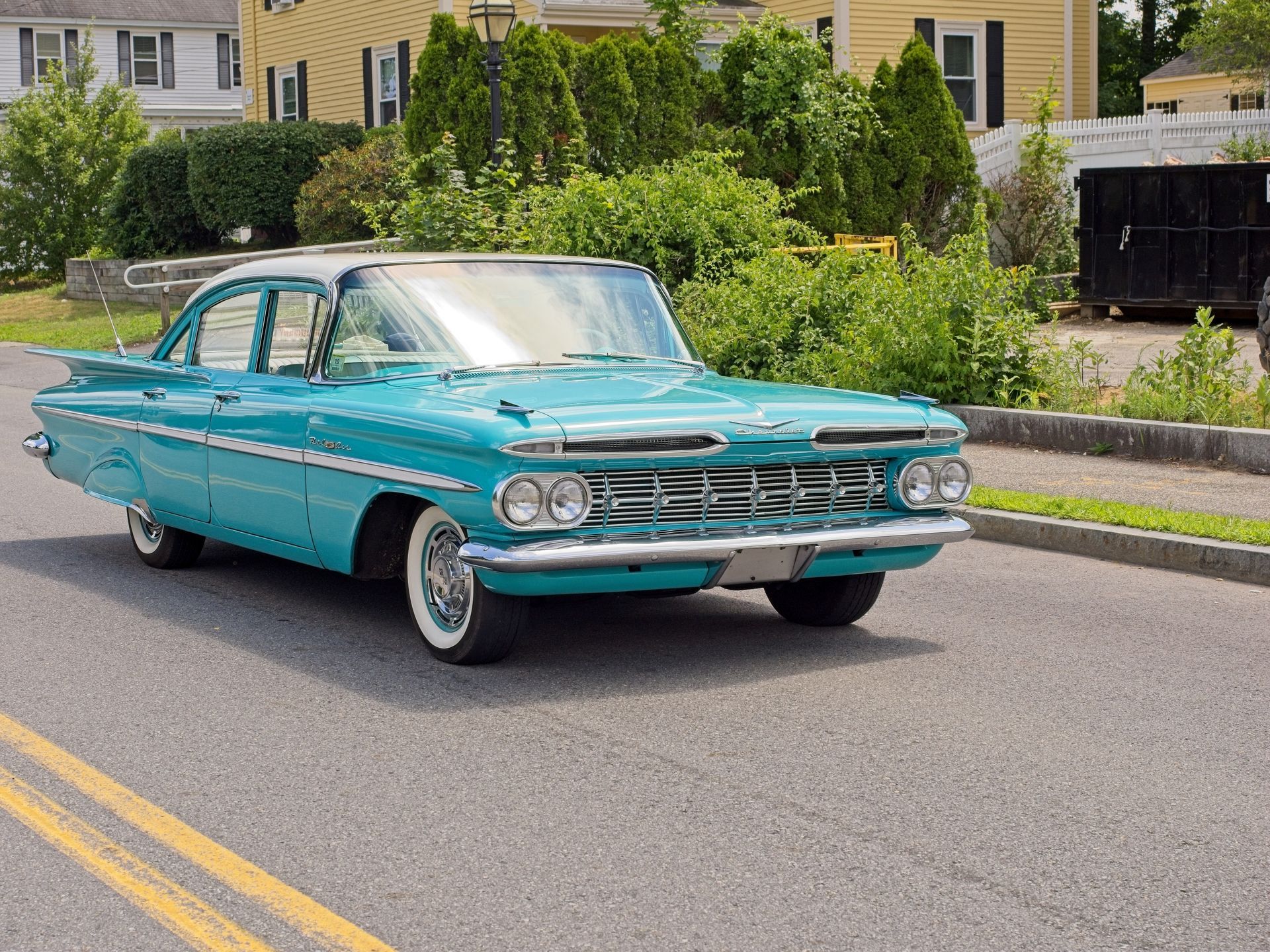
Many classic and vintage vehicles in the Rossville area were built decades before standardized tow attachment points became a regulatory requirement, which means the hookup decisions that a modern-vehicle tow driver makes by habit — locate the factory tow hook, attach, load — do not apply. Gladiator Tow & Recovery handles classic car towing with an understanding of what that actually means for vehicles from earlier production eras: chassis-mounted tow points that vary by make and year, original paint that cannot tolerate strap webbing under tension against body panels, and undercarriage components that were never designed with flatbed deck loading clearances in mind. Getting this right starts with knowing what questions to ask before the vehicle is touched.
Whether the vehicle is a weekend driver with a mechanical issue, a show car being moved to an exhibition, or a stored collector car that needs transport to a restoration shop, the loading approach is matched to the vehicle's specific configuration. Flatbed transport is provided for vehicles where it is the appropriate method, and the deck incline, attachment placement, and tie-down contact points are all determined by the vehicle's build rather than by a one-size standard procedure. Vintage vehicles with fiberglass body panels — common on certain makes from the 1950s through the 1970s — require soft protection between any strap or anchor hardware and the body surface, because the material is more brittle than steel and can crack under localized pressure.
Arrange a pre-transport conversation about the vehicle's make, year, and configuration before scheduling the move.
What Classic Car Transport Actually Involves
Transporting a collector vehicle involves sequencing decisions that differ from a standard breakdown tow. The vehicle's current operational state matters: a running classic that can be driven onto the deck is loaded differently than one that must be winched aboard with no steering or braking input from the driver. On vehicles with drum brakes — standard on most pre-1970s automobiles — the braking capacity during any rolling movement is significantly reduced compared to modern disc systems, which changes how much crew-managed guidance is needed during loading. A vehicle that does not roll freely due to a seized brake or locked wheel requires soft rigging to control its movement onto the deck without dragging the locked components.
Once the vehicle is on the deck and secured, what the owner sees at delivery is an automobile in the same visual and mechanical condition it was in at pickup — no new strap marks on the paint, no contact on wheel spokes from metal hardware, and no underbody scrapes from loading clearance that was not accounted for in advance. For show transport specifically, that clean delivery is the entire point: arriving at an exhibition with loading marks on a freshly detailed vehicle is the kind of outcome that makes the transport provider the last call next time.
Collector car breakdown situations carry an added complexity: the vehicle may be stranded far from a shop that has the knowledge to work on it, which means transport distance and destination facility matter. Some owners also need the vehicle moved to a specific restorer rather than the nearest available shop, which requires coordination on destination and timing rather than a standard dispatch-and-deliver arrangement. These logistics are part of the conversation when the transport call is made.
What Collector Car Owners Ask About the Work
These questions address how classic and vintage vehicle transport is handled and what owners should communicate when arranging a pickup.
How are tow attachment points identified on a vehicle that has no factory tow hooks?
Frame rails, axle housings, and manufacturer-documented chassis points serve as attachment locations on pre-modern vehicles, and the correct location varies by make and era — for vehicles without clear attachment points, the owner or a reference manual for that specific model is consulted before any rigging is applied.
What protection is used between straps and original painted surfaces?
Soft strap sleeves or edge protectors are placed at every contact point between tie-down webbing and the vehicle's body — on vehicles with original paint or delicate lacquer finishes, even clean webbing under tension can mark or dull the surface if not buffered.
How is a classic vehicle loaded when it cannot be driven onto the flatbed deck?
A controlled winch pull is used with soft rigging attached to chassis-appropriate points, with crew members positioned at the wheels to guide movement and prevent the vehicle from drifting off the deck centerline during loading — the winch speed is kept slow to maintain control throughout the pull.
What should an owner communicate when calling about a classic car needing transport?
Vehicle make, model year, approximate weight, whether it is operational or non-running, any known undercarriage clearance concerns, and the destination — this determines the deck configuration and loading method before the crew arrives, rather than requiring on-site problem-solving with the owner watching.
How does show transport differ from a standard breakdown tow?
Show transport is scheduled rather than emergency-dispatched, which allows loading timing to be coordinated with the owner present, the vehicle to be inspected for condition at pickup, and delivery to be timed to the event schedule — the goal is arrival in show-ready condition, which requires more pre-planning than a roadside recovery.
Gladiator Tow & Recovery handles classic car towing in Rossville for collectors, restorers, and show participants who need a vehicle moved with the attention its condition requires — share the vehicle's make, year, and situation when requesting service so the right equipment and approach are arranged before arrival. Gladiator Tow & Recovery also provides classic car towing in Chattanooga, Fort Oglethorpe, Ringgold, and LaFayette.